Air Conditioning · Denver, CO
Adding central air in Denver
Many Denver homes are adding central air for the first time, usually when a swamp cooler wears out or wildfire smoke makes bringing in outside air a problem. Homes with existing ducts can add AC or a heat pump; homes with radiators usually get mini-splits.
- Same-day service when a technician is available
- Serving Denver, CO
- Quote before work
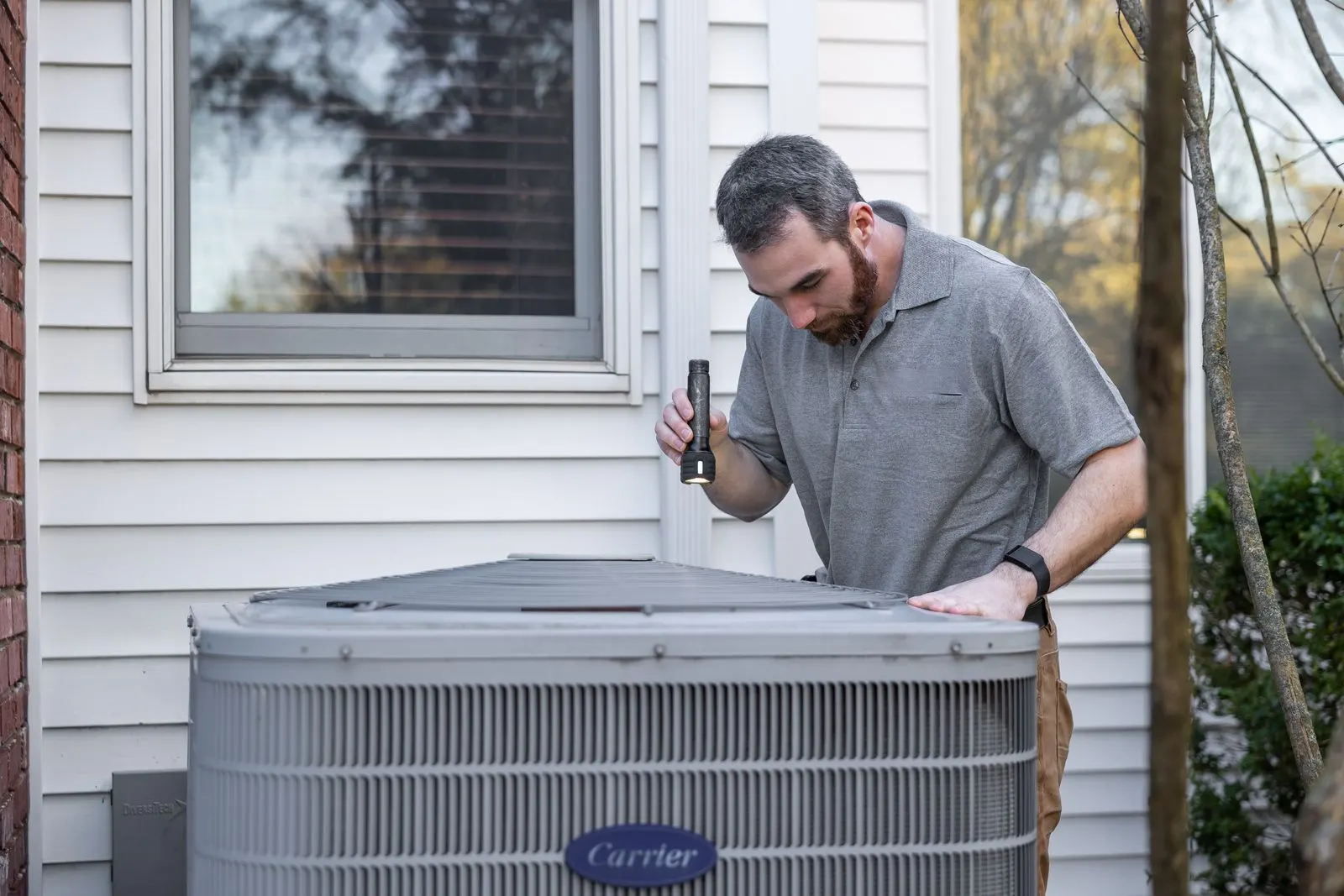
AC replacement at a glance
- Install time
- Usually one day
- Permit
- City mechanical permit in most metro cities
- Sizing
- Manual J load calculation
- Consider
- A heat pump in place of AC-only
AC replacement in Denver: local conditions
Denver's older neighborhoods were built before central air was common, and for decades evaporative coolers handled summer heat well in the dry climate. As summers have grown hotter and smoke events more common, many owners are switching to refrigerated cooling. If the house has a forced-air furnace, a coil and outdoor unit or a heat pump can use the same ducts, though small returns may need upgrading.
Heat pumps have become a common choice in Denver because city and utility programs have offered rebates for them, and a cold-climate model can also cover most of the heating load. Installations need a Denver mechanical permit pulled by a Denver-licensed contractor.
Utilities: Xcel Energy supplies electricity and natural gas to most Denver homes. Permits: Denver Community Planning and Development issues mechanical permits, and contractors must hold a Denver mechanical contractor license.
How the work is done, typical process steps and what you can safely check yourself are the same everywhere, so they're covered in the main ac replacement & installation guide. This page covers what's different in Denver.
Signs you need ac replacement
- System is 12 to 15 years old or older
- Uses R-22 refrigerant and needs a recharge
- Compressor failure or repeated refrigerant leaks
- Upstairs rooms never cool down
- Summer electric bills climbing year over year
What affects the cost
Prices depend on what the technician finds, so the contractor quotes on site. These are the main factors:
- Tonnage and efficiency (SEER2) rating
- Single-stage vs. two-stage or variable-speed
- Whether the indoor coil and furnace are replaced too
- Line set replacement and pad work
- Utility and state rebates for qualifying equipment
Frequently asked questions
Should I choose AC or a heat pump in Denver?
If you're adding cooling anyway, price a heat pump. Rebates can narrow the difference, and it heats efficiently for much of the winter.
Do I need a permit to install AC in Denver?
Yes. Furnace, AC and heat pump installs need a mechanical permit, which a Denver-licensed contractor pulls.
Should I replace my furnace at the same time?
If the furnace is over 15 years old, pairing them usually saves on labor and gets a matched system. A newer furnace can stay.
Before and after
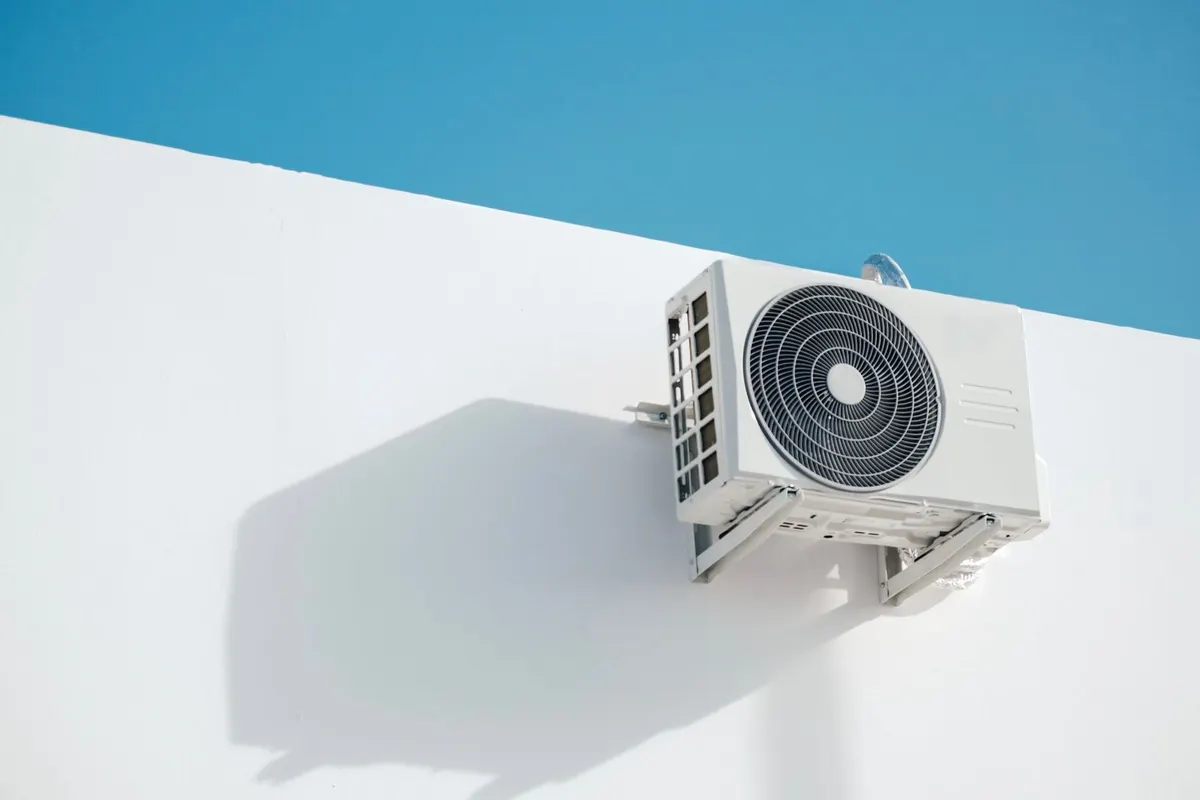
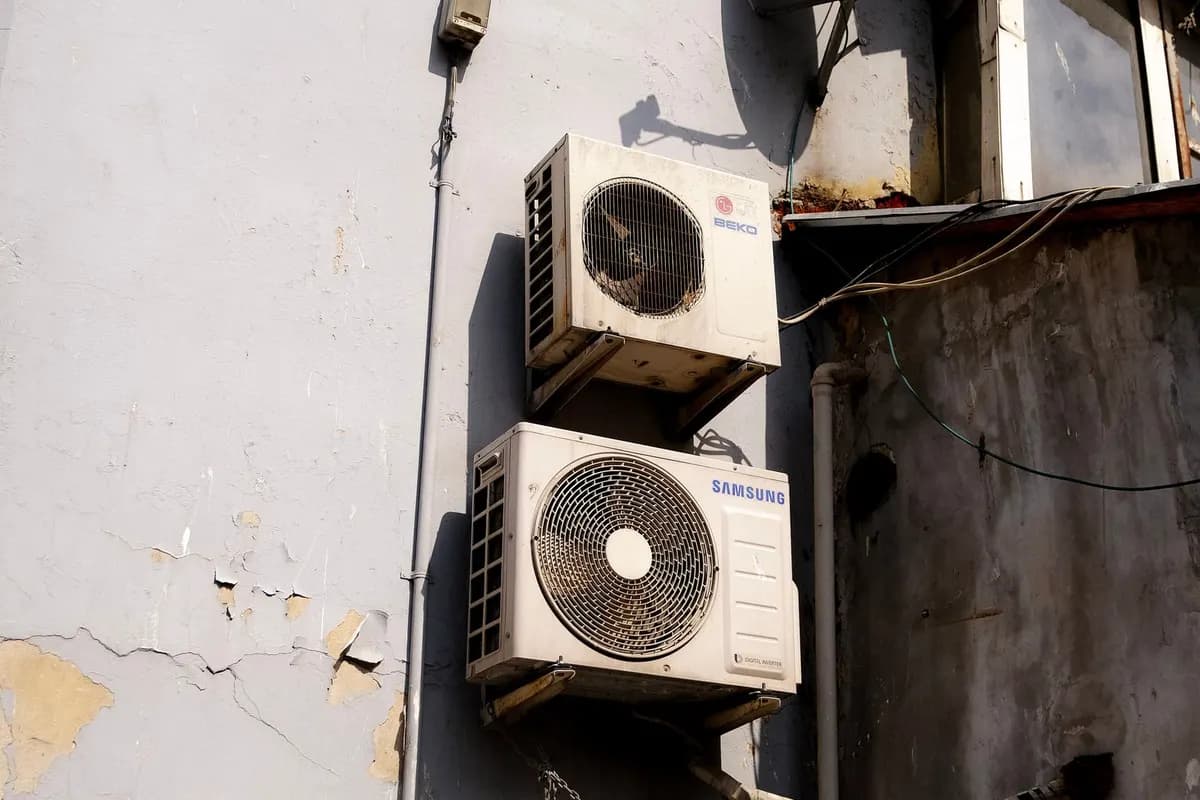
Weathered outdoor units replaced with a new condenser
Worn, rusting outdoor equipment loses efficiency and often runs on phased-out R-22. A new, properly sized unit on a clean mount cools better and uses less power.
Stock example photos, not a job by a contractor in our network.
Related services
Guides
Need ac replacement in Denver?
Same-day service when a technician is available. One call connects you with a licensed HVAC contractor who serves your ZIP.