Air Conditioning · Charleston, SC
AC repair in Charleston
Charleston's humidity, salt air and tidal flooding make AC repairs here distinct. Corroded coils, clogged drains and flood-exposed outdoor units are common, and historic homes on the peninsula add placement and access challenges.
- Same-day service when a technician is available
- Serving Charleston, SC
- Quote before work
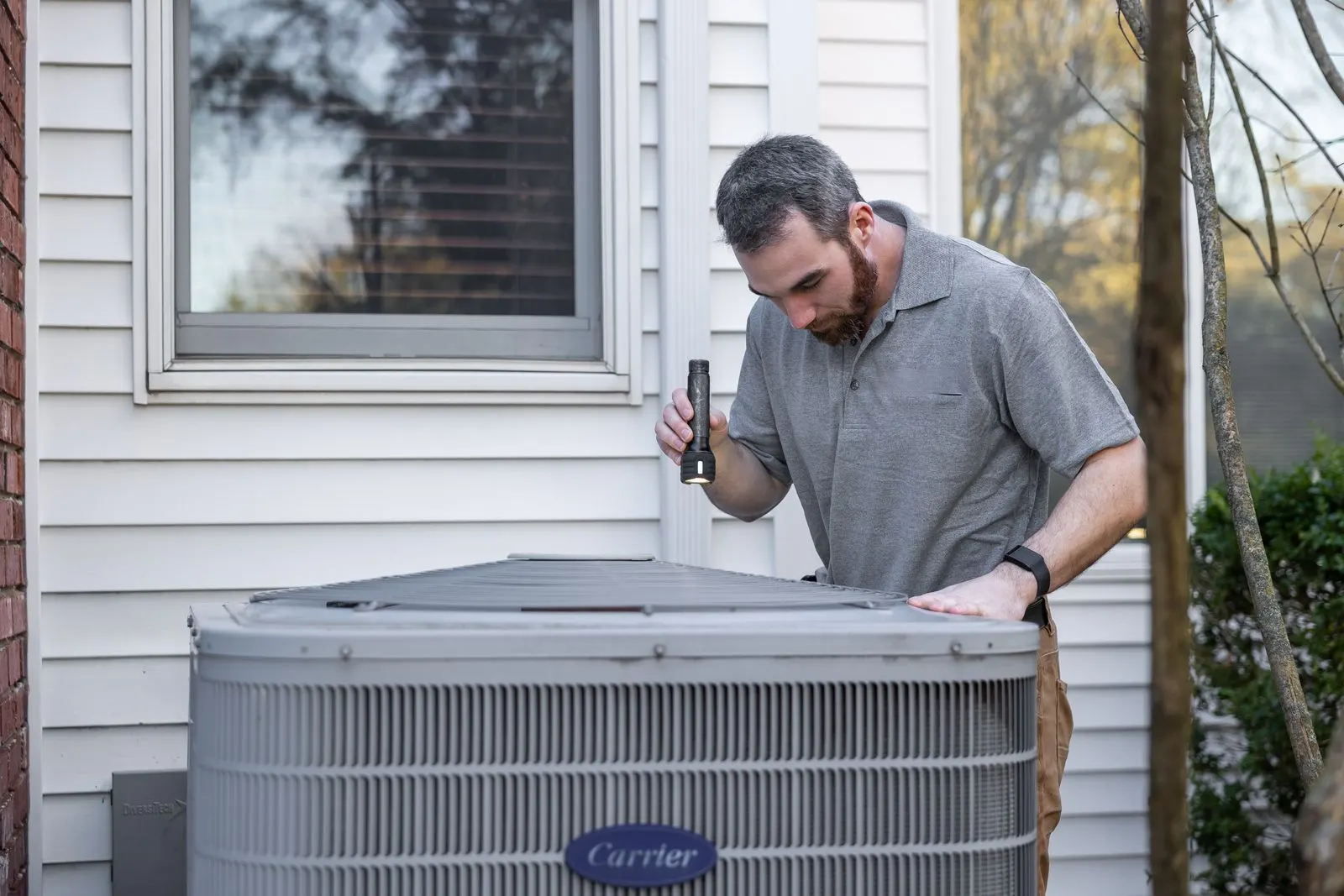
AC repair at a glance
- Most common fix
- Capacitor or contactor replacement
- Busiest months
- June through August
- Check first
- Filter, breaker, thermostat mode
- Refrigerant
- Handled only by EPA 608-certified technicians
AC repair in Charleston: local conditions
In historic houses South of Broad and in Ansonborough, air handlers often sit in attics or crawlspaces with tight access, and outdoor units are tucked out of street view. If a repair turns into a replacement, visible changes may need Board of Architectural Review approval.
Low-lying areas flood during king tides and storms, so outdoor units are often raised. Any equipment exposed to saltwater flooding should be inspected before restarting, since salt accelerates corrosion. Dominion Energy South Carolina supplies the power.
Utilities: Dominion Energy South Carolina supplies both electricity and natural gas in the Charleston area. Permits: The City of Charleston issues mechanical permits, historic properties may need Board of Architectural Review approval, and South Carolina licenses mechanical contractors at the state level.
How the work is done, typical process steps and what you can safely check yourself are the same everywhere, so they're covered in the main ac repair guide. This page covers what's different in Charleston.
Signs you need ac repair
- Warm air from the vents while the outdoor unit runs
- Outdoor unit humming but the fan isn't spinning
- Ice on the refrigerant lines or indoor coil
- Water around the furnace or a full condensate pan
- Breaker trips when the AC starts
What affects the cost
Prices depend on what the technician finds, so the contractor quotes on site. These are the main factors:
- Which part failed (a capacitor costs far less than a compressor)
- Refrigerant type: older R-22 systems are costly to recharge
- Whether a refrigerant leak must be found and repaired
- After-hours or weekend visits
- Access to the equipment (attic air handlers take longer)
Frequently asked questions
My Charleston AC unit was in floodwater. Can I turn it on?
Not until it's inspected. Saltwater can damage electrical parts and speed corrosion.
Do I need approval to add AC to a historic Charleston home?
Visible equipment may need Board of Architectural Review approval. The contractor can plan placement to minimize issues.
Why is my AC running but not cooling?
The most common causes are a failed capacitor or condenser fan, a dirty filter or coil, or low refrigerant from a leak. If the outdoor fan isn't spinning, shut the system off to protect the compressor and call.
Nearby towns
Before and after
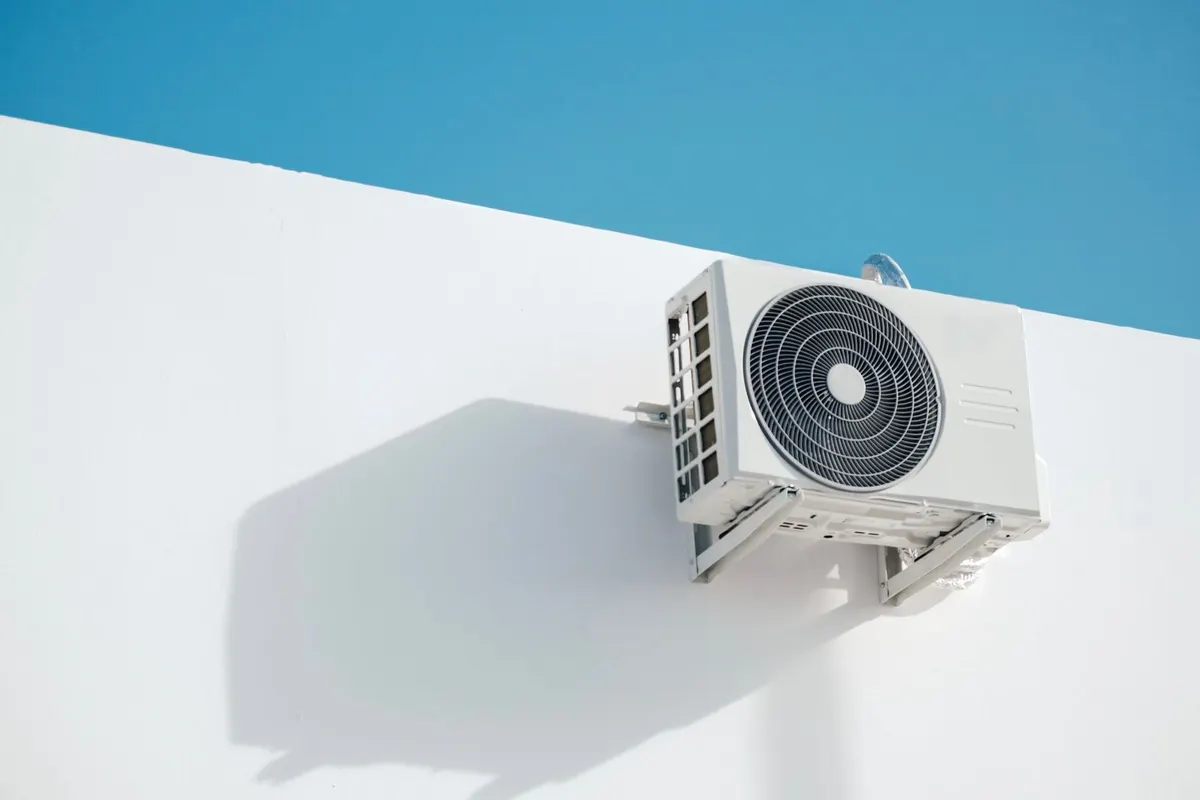
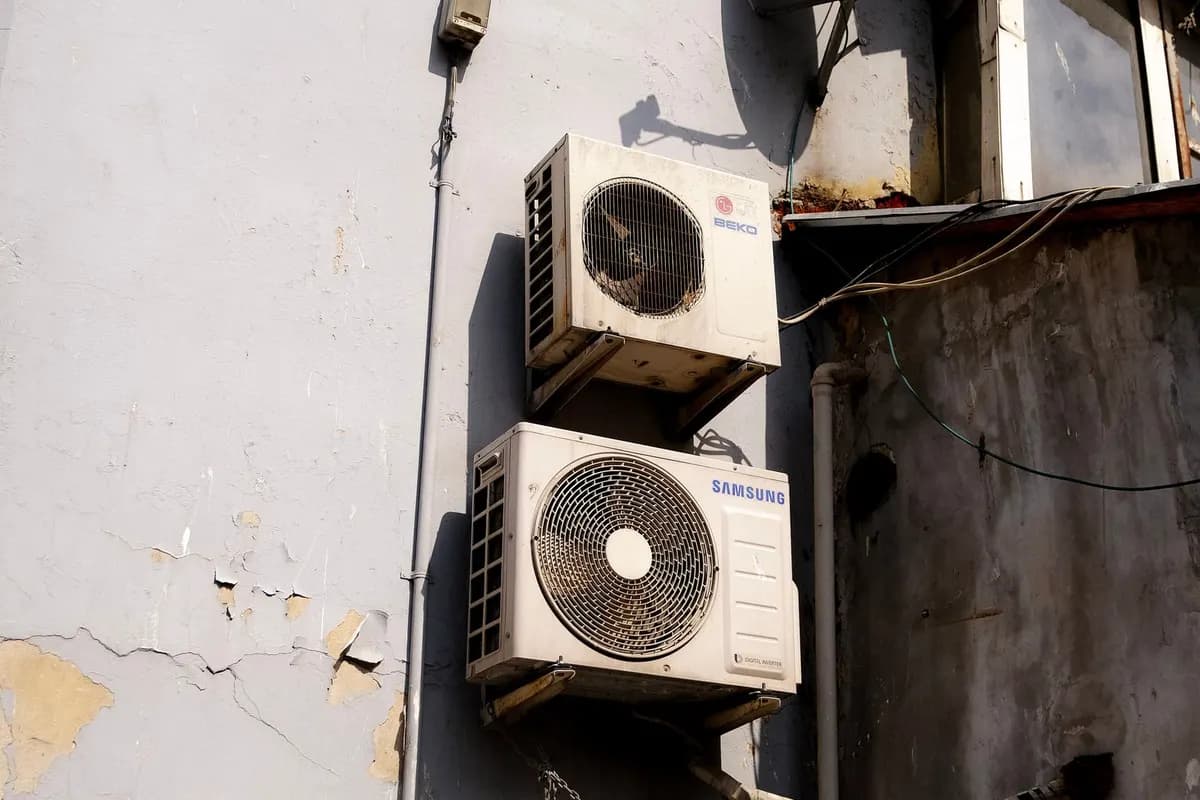
Weathered outdoor units replaced with a new condenser
Worn, rusting outdoor equipment loses efficiency and often runs on phased-out R-22. A new, properly sized unit on a clean mount cools better and uses less power.
Stock example photos, not a job by a contractor in our network.
Related services
Guides
Need ac repair in Charleston?
Same-day service when a technician is available. One call connects you with a licensed HVAC contractor who serves your ZIP.